
Key takeaways
- Kenya confirmed its second imported Ebola case on October 15: a 39-year-old man who is a close family member of the country's first case.
- The DRC outbreak has spread to the Dakwa health zone in Bas-Uele, now covering 65 health zones across seven provinces.
- Case counts keep climbing: ECDC data published October 14 shows 9,144 confirmed cases and 4,410 deaths; Africa CDC calls it the fastest-growing Ebola outbreak on record.
- Roughly one-third of recent new cases have been community deaths, meaning many patients are never detected before they die, a major transmission risk.
- The Bundibugyo strain has no approved vaccine or treatment; a dedicated vaccine trial is expected in the DRC before the end of October.
- No Ebola case has been reported in India; travelers from affected regions face a 21-day watch period and should report fever with travel history promptly.
- The DRC is also battling a cholera surge (over 51,000 suspected cases in 2026), straining the same health system fighting Ebola.
Book tests from this article
Sample collected at home - free
- Fever Profile
₹1,049₹1,39925% off
- Complete Blood Count (CBC)
₹199₹59967% off
- Malaria Antigen Test
₹549₹79931% off
Free collection 24 hr reports
Congo's Ebola outbreak took two troubling steps forward this week. On Wednesday, October 15, Kenyan authorities confirmed the country's second imported case of the Bundibugyo strain, a 39-year-old man who is a close family member of Kenya's first confirmed case. The same day, the World Health Organization's Africa bureau reported that the virus has now reached the Dakwa health zone in Bas-Uele province, bringing the outbreak's footprint to 65 health zones across seven provinces. Africa's top public health body, the Africa CDC, now describes this as the fastest-growing Ebola outbreak on record.
These are material changes, not background noise. A second imported case in a neighboring country and confirmed geographic spread inside the DRC both raise the stakes for containment, and they change what travelers and health authorities in India should be watching. This is an update to our earlier report: Congo's Ebola Outbreak Tops 9,000 Cases: The Deadliest in Its History, and What It Means for Indian Travelers, published on October 14. If you are new to the story, start there; below is everything that has changed since.
A quick recap: where things stood
To make the new developments clear, here is a short timeline of how this story reached this point:
- Mid-May 2026: The Democratic Republic of Congo declared its 17th Ebola outbreak, caused by the Bundibugyo strain. Experts believe the virus had been circulating for weeks or even months before the declaration.
- October 1: The Netherlands medically evacuated a PCR-positive healthcare worker from the DRC.
- October 5: Kenya reported its first imported case: a Kenyan national who traveled from the DRC via Uganda, was confirmed in Nairobi, and died the same day.
- October 11-13: The Congolese National Institute of Public Health (INSP) reported 9,066 confirmed cases and 4,381 deaths as of October 11, a case fatality rate of 48.3 percent, with 2,389 recoveries. WHO chief noted that 25 survivors had been discharged from the treatment centre in Isiro and that more than 9,000 frontline workers had received the ERVEBO vaccine under study.
- October 14: Health authorities reported 88 new cases in the latest figures, and the count of affected health zones stood at 65. The outbreak had already become the largest and deadliest in DRC history and the second-largest Ebola outbreak ever recorded, after the 2014 to 2016 West Africa epidemic.
And now, on October 15, the story has moved again.
Kenya's second case: what we know
Kenyan authorities confirmed the second case on Wednesday. The patient is a 39-year-old man and a close family member of the country's first confirmed case, the Kenyan national who traveled from the DRC through Uganda and died in Nairobi on October 5. That the second case is a close contact of the first is significant for two reasons. It suggests the chain of transmission is being tracked, but it also confirms that the virus crossed into Kenya with travelers more than once, or that household-level transmission occurred after arrival.
Kenya is the second country after Uganda to report a case linked to this outbreak. Uganda's own brush with the virus ended in August, when the country was declared Ebola-free after 20 cases and two deaths.
In response, the Africa CDC has urged enhanced regional preparedness to avert additional cross-border spread. For Kenya, where surveillance had already been stepped up after the first case, the priority now is contact tracing around both cases, border screening, and rapid isolation of any further suspect infections. WHO's standing guidance on this outbreak continues to advise against travel and trade restrictions, but the confirmation of a second imported case will almost certainly keep screening measures tight at airports and land borders across the region.
The outbreak keeps expanding inside the DRC
Inside the DRC, the virus reached a new corner of the country. The WHO Africa regional bureau said the Dakwa health zone in Bas-Uele province has become the latest affected zone for the Bundibugyo virus strain. The epidemic now spans seven provinces: Haut-Uele, Ituri, North Kivu, South Kivu, Bas-Uele, Tshopo and South-Ubangi, across 65 health zones.
Ituri remains the principal focus of the outbreak, with substantial transmission continuing in North Kivu and Haut-Uele. Transmission rates vary widely across regions, which makes containment uneven: some areas are being brought under control while others flare.
One figure from WHO's latest situation report deserves attention. Catherine Swallwood, the incident manager at WHO in the DRC, said there is still concern about the high share of deaths occurring in communities, about 60 percent, and that in recent weeks roughly one-third of all new cases have been community deaths. In plain terms, a large number of infected people are dying without ever reaching a treatment centre. That means health authorities are still not detecting cases before patients die, which is both a tragedy for families and a transmission risk, because unsafe burials and household contact are classic drivers of Ebola spread.
The numbers keep climbing
Surveillance data published this week shows the outbreak continuing to grow on two independent counts:
- The European Centre for Disease Prevention and Control (ECDC) published data on October 14 showing 9,144 confirmed cases and 4,410 deaths.
- The DRC's Ebola task force situation report from Tuesday showed 9,066 confirmed cases and 4,381 deaths as of October 11, with a case fatality rate of 48.3 percent and 2,389 recoveries.
The gap between the two figures reflects different data cutoffs, not disagreement: ECDC's numbers are simply newer. Both confirm the same direction of travel. The Africa CDC, cited by the UAE news agency WAM, now calls this the fastest-growing Ebola outbreak on record. Health authorities also warn that confirmed cases may account for only about a third of actual infections, with many cases going undetected because of fighting between government forces and rebel groups, population displacement, and community distrust of medical teams.
For context, the worst previous Ebola outbreak in the DRC killed nearly 2,300 people out of about 3,500 cases between 2018 and 2020. The current outbreak has already more than doubled that death toll, and experts say it is closing in on the scale of the 2014 to 2016 West Africa epidemic, which killed around 11,000 people.
The response is straining under a second emergency
The DRC is not only fighting Ebola. WHO warned this week that cholera is surging in the same country, adding enormous pressure to a health system already stretched by war. Since the beginning of 2026, more than 51,412 suspected cholera cases and 1,487 deaths have been reported across 21 provinces. In a single week, September 21 to 28, health authorities recorded 2,932 suspected cases and 86 deaths, up from 2,506 cases and 62 deaths the week before. Four new health zones were affected, three in Tshuapa province and one in South Kivu. South Kivu, North Kivu and Haut-Katanga account for nearly 60 percent of the reported suspected cases.
Insecurity is restricting medical teams' access to certain areas, particularly Kibua and Masisi in the east. The remoteness of villages from healthcare facilities delays treatment and raises the risk of death. Response teams are preparing water chlorination sites in the most affected areas and planning to disinfect thousands of households and latrines, while preparations for oral vaccination campaigns continue.
On the Ebola side, the response is holding together but visibly strained. The Ebola treatment centre in Isiro, Haut-Uele province, has been expanded to accommodate more patients while preserving essential health services at the city's main general referral hospital. WHO delivered an additional tonne of medical supplies to bolster operations on the ground.
On the medical countermeasure front, the picture is still one of watching and waiting. The current outbreak is caused by the Bundibugyo strain, for which there is no approved vaccine or treatment. Frontline volunteers have received doses of the ERVEBO vaccine, which is proven effective against the Zaire strain, as part of a clinical trial studying whether it offers protection against Bundibugyo. A dedicated Bundibugyo vaccine trial is expected to begin in the DRC before the end of October. Until those results arrive, containment depends on the fundamentals: finding cases early, isolating them safely, tracing contacts, and safe burials.
What this means for readers in Mumbai and India
No Ebola case has been reported in India, and none has been linked to an Indian traveler. That remains the most important fact for readers here. But with a second imported case in Kenya and the outbreak still expanding, the precautions already in place deserve a fresh look.
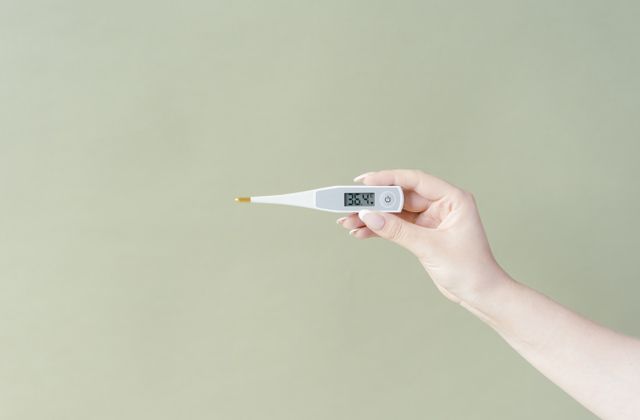
India's Ministry of Health and Family Welfare issued a travel advisory for this outbreak back in May, and airport health organisations (APHOs) have advisories covering arrivals from affected regions. Travelers arriving from the DRC and neighboring countries pass through enhanced health screening, and the Air Suvidha 2.0 portal has been used since June 25 as part of arrival health declarations. The standing guidance for anyone returning from the region is a 21-day watch period: monitor yourself for fever, severe headache, muscle pain, vomiting, diarrhea, and unexplained bleeding, and seek medical care immediately if any of these appear, mentioning your travel history at the very start.
If you or someone you know has recently traveled to Central or East Africa and develops a fever, the correct first step is not panic but prompt medical evaluation with an honest travel history. A doctor will typically start with a fever profile and a complete blood count to narrow down the cause, since far more common infections like malaria, dengue and typhoid also cause fever after travel to the region. A malaria antigen test is often part of that workup, because malaria is endemic in the DRC and is a much more likely diagnosis for a returning traveler with fever. Ebola is confirmed only through specific PCR testing at designated reference laboratories, and suspected cases are handled through public health channels, not walk-in labs.
For the general public in Mumbai, the practical takeaway is unchanged: Ebola does not spread through the air, casual contact, or the food and water supply. It spreads through direct contact with the blood or body fluids of an infected person or animal. Standard hygiene, safe food handling, and avoiding contact with sick animals remain sensible precautions everywhere. There is no reason to change daily routines, and there is every reason to treat fever after international travel as something to report to a doctor promptly, with your itinerary attached.
What we are watching next
This story is still developing. Our news desk is tracking the following triggers for the next update:
- A WHO Disease Outbreak News update with new case counts, or any change to the risk assessment (currently very high in the DRC, high for bordering countries, low globally).
- Any further imported cases: a third Kenya case, or a first case in any other country.
- Results or authorization of the Bundibugyo vaccine trial expected before the end of October.
- Any change in the PHEIC (Public Health Emergency of International Concern) status or travel guidance.
- Any MoHFW or Indian government advisory change, or a first imported case in India.
We will publish a follow-up when any of these materialize.
References
- World Health Organization Africa regional bureau situation report, October 15, 2026, as reported by TRT World: 9,066 cases, 4,381 deaths; Dakwa health zone (Bas-Uele) newly affected; 65 health zones in seven provinces; Kenya's second confirmed case.
- Africa Centres for Disease Control and Prevention, October 15, 2026, as reported via WAM: outbreak is the fastest-growing on record; enhanced regional preparedness urged after Kenya's first imported case.
- European Centre for Disease Prevention and Control surveillance data, published October 14, 2026, as reported by Kazinform: 9,144 confirmed cases, 4,410 deaths.
- Democratic Republic of Congo National Institute of Public Health (INSP) Ebola task force situation report, as of October 11, 2026, as reported by NDTV/AFP on October 14: 9,066 cases, 4,381 deaths, 48.3 percent case fatality rate, 2,389 recoveries.
- UN News, October 14, 2026, as reported by The Manila Times: DRC cholera figures (51,412 suspected cases, 1,487 deaths in 2026 across 21 provinces), Ebola response details (Isiro treatment centre expansion, one tonne of medical supplies delivered by WHO).
Book these tests at home
Live prices · free home sample collection in Malad, Kandivali, Borivali & Goregaon
Fever Profile
- Report in 48 hrs
- Free home collection
Complete Blood Count (CBC)
- Report in 12 hrs
- Free home collection
Malaria Antigen Test
- Report in 12 hrs
- Free home collection
More tests related to this topic
Other Fever tests you can book with free home sample collection.
CRP (C-Reactive Protein)
- Report in 12 hrs
- Free home collection
Anti - CHIKUNGUNYA IgG
- Report in 24 hrs
- Free home collection
Anti - CHIKUNGUNYA IgM
- Report in 24 hrs
- Free home collection
Chikungunya Combo Rapid Test
- Report in 24 hrs
- Free home collection
Chikungunya IgG Rapid antibody
- Report in 24 hrs
- Free home collection
Chikungunya IgM Rapid antibody
- Report in 24 hrs
- Free home collection
Chikungunya RNA Detection by Real Time PCR - EDTA Plasma
- Report in 48 hrs
- Free home collection
Chikungunya RNA Detection by Real Time PCR - Serum
- Report in 48 hrs
- Free home collection
Dengue - IgG (CLIA)
- Report in 24 hrs
- Free home collection
Dengue - IgG (ELISA)
- Report in 24 hrs
- Free home collection
Dengue - IgM (CLIA)
- Report in 24 hrs
- Free home collection
Dengue - IgM (ELISA)
- Report in 24 hrs
- Free home collection
Get more from the same visit
Health packages that already include these tests, and tests people usually add.
Frequently asked questions
Is Ebola now spreading in Kenya?
Kenya has confirmed two imported cases linked to the DRC outbreak, not community spread. The first was a traveler from the DRC who died in Nairobi on October 5; the second, confirmed October 15, is a 39-year-old close family member of the first case. Health authorities are tracing contacts around both cases.
How big is the DRC Ebola outbreak now?
As of mid-October 2026, the ECDC reported 9,144 confirmed cases and 4,410 deaths, while the DRC's own task force reported 9,066 cases and 4,381 deaths as of October 11. It is the largest and deadliest Ebola outbreak in DRC history and the second-largest ever recorded, after the 2014 to 2016 West Africa epidemic.
What are the symptoms of Ebola?
Fever, severe headache, muscle pain, weakness, vomiting, diarrhea, and in severe cases unexplained bleeding or bruising. Symptoms usually appear 2 to 21 days after exposure. Anyone with these symptoms and recent travel to affected regions should seek medical care immediately and state their travel history first.
How does Ebola spread? Can I catch it casually?
No. Ebola spreads only through direct contact with the blood or body fluids of an infected person or animal. It does not spread through the air, casual contact, or food and water. That is why the general public in India is not at risk from the DRC outbreak.
Is there a vaccine or treatment for this Ebola strain?
Not yet. The outbreak is caused by the Bundibugyo strain, which has no approved vaccine or treatment. Frontline workers are receiving the ERVEBO vaccine (proven against the Zaire strain) as part of a clinical trial, and a dedicated Bundibugyo vaccine trial is expected to begin before the end of October.
Should Indians cancel travel to Africa?
WHO advises against travel and trade restrictions. India's health ministry issued a travel advisory in May, and airport health screening applies to arrivals from affected regions. If you travel to Central or East Africa, avoid contact with sick people and animals, practice strict hygiene, and observe the 21-day watch period for fever or other symptoms after returning.
I returned from Africa with a fever. What should I do?
See a doctor promptly and mention your travel history at the very start. Doctors usually begin with a fever profile, a complete blood count, and a malaria test, since malaria, dengue and typhoid are far more common causes of post-travel fever. Ebola is confirmed only through specific PCR testing arranged via public health channels.
Why are so many deaths happening outside hospitals?
WHO reports that about 60 percent of deaths are occurring in communities, and roughly one-third of recent new cases have been community deaths. Armed conflict, displacement, remote villages far from care, and distrust of medical teams mean many patients are never detected before they die, which also fuels transmission through unsafe burials and household contact.
HWP Diagnostic Editorial Team
Health guides written by the team at HWP Diagnostic, Mumbai, to help you understand your tests before you book. This article is for general education and is not a substitute for medical advice - reference ranges vary between labs, so always discuss your results with your doctor. Read our editorial policy. Photos: Pexels.