Key takeaways
- Insulin resistance precedes type 2 diabetes by years; normal blood sugar is good news, not the whole story.
- Fasting insulin measures the effort, glucose measures the outcome; you need both for the full picture.
- HOMA-IR = (fasting insulin x fasting glucose) / 405; roughly under 2 is comfortable, over 3 deserves attention.
- Reference ranges vary by laboratory and assay; never compare numbers across labs.
- The test needs a true 8 to 12 hour fast; even a sweetened tea corrupts the result.
- Early resistance is often reversible with modest weight loss, post-meal walks, strength training and sleep.
- India: about 1 in 7 adults has diabetes and 1 in 6 has prediabetes, more than half undiagnosed.
Book tests from this article
Sample collected at home - free
- Insulin Fasting
₹949₹1,24924% off
- HOMA - IR (Using Insulin)
₹1,349₹1,74923% off
- Lipid Profile
₹799₹1,14930% off
Free collection 24 hr reports
Your blood sugar is normal. That doesn't mean your metabolism is fine.
"But my sugar is normal. Why has the doctor written an insulin test?"
We hear some version of this at our counter almost every week. A patient walks in with a prescription that says fasting insulin, or sometimes HOMA-IR, and their HbA1c from last month was 5.8, perfectly respectable. They look at the slip, then at us, as if someone made a billing error.
Nobody made an error. Your doctor is looking one step earlier in the story.
Here is the uncomfortable truth about blood sugar: by the time it rises, the trouble is already old. Your pancreas is a loyal employee. Long before your glucose drifts into the prediabetes zone, your body's cells start ignoring insulin, and your pancreas simply works longer hours to keep sugar steady. It can keep that up for years. A decade, sometimes. Your fasting glucose sits at 94, your HbA1c at 5.6, and on paper you are fine, while underneath, your insulin output has quietly doubled to hold the line.
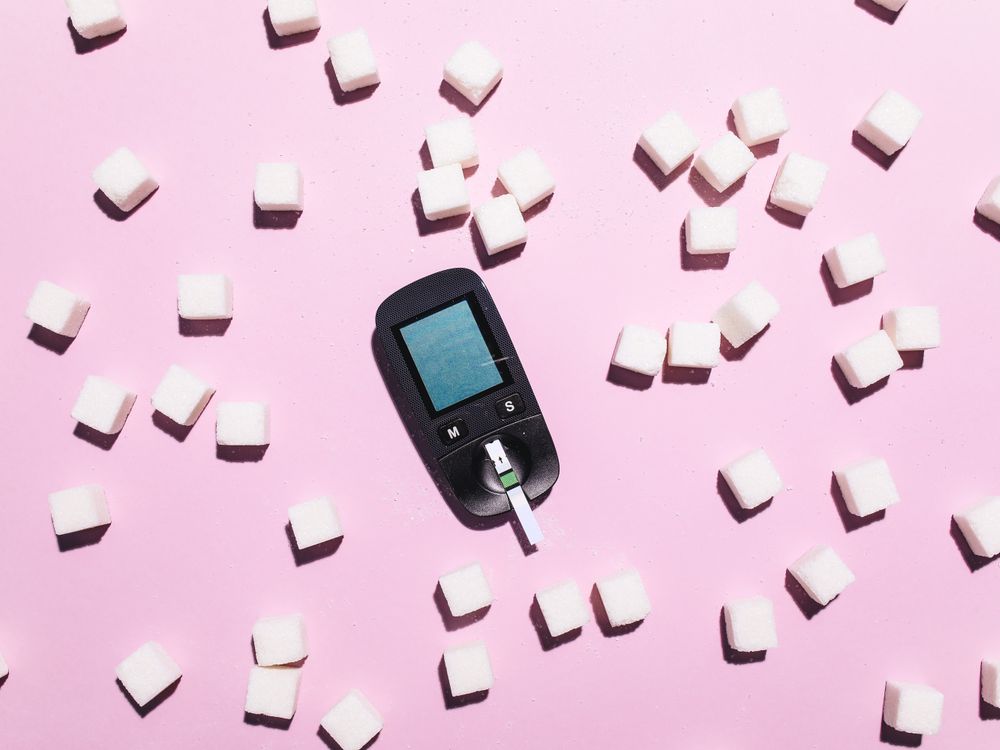
A fasting insulin test measures that hidden effort. It tells you how much insulin your body needs at rest, with no food coming in, just to keep things stable. And HOMA-IR takes it one step further: it combines your fasting insulin with your fasting glucose into a single number that estimates how resistant your cells have become. Think of glucose as the scoreboard and insulin as the effort behind the score. Most checkups only read the scoreboard.
So why would a doctor order an insulin test when your sugar is fine? Because catching resistance at the effort stage gives you something precious: time. Time when the process is still reversible, before the pancreas starts losing the fight.
What insulin actually does inside you, minute by minute
Forget the textbook diagrams for a moment. Here is the plain version.
Every time you eat, carbohydrates break down into glucose and enter your blood. Your pancreas, a small gland tucked behind your stomach, senses the rise and releases insulin. Insulin travels through your bloodstream with a simple job: signalling muscle cells, fat cells and liver cells to open their doors so glucose can move inside and be burned or stored. Muscle burns it for movement. The liver packs the surplus away as glycogen, a kind of pantry stock. Fat cells store what's left for later.
Between meals, insulin levels fall. With no food coming in, your body dips into the pantry. The liver releases stored glucose to keep your brain fed through the night. This is why fasting matters so much to the test: after 8 to 12 hours without food, your insulin should be idling low. A high fasting insulin means your body needs a heavy foot on the pedal even when the road is empty.
When everything works, the system is beautifully quiet. You never feel it. That is also why insulin resistance is so sneaky. There is no ache, no fever, no warning light on the dashboard. The pancreas just works harder, silently, and the scoreboard stays green.
The slow slide: resistance builds for years before sugar budges
Insulin resistance doesn't arrive like the flu. It creeps in stages, and understanding the stages is the whole reason this test exists.
Stage one: the compensation years. Your muscle and liver cells start responding sluggishly to insulin. The pancreas notices the glucose lingering and answers by releasing more insulin. Blood sugar stays normal. You feel nothing. This stage can run for five, ten, even fifteen years. Your fasting insulin is the only routine blood marker that betrays what's happening.
Stage two: the creep. The pancreas is working near its limit. Fasting glucose starts edging up: 100 to 125 mg/dL, the range the American Diabetes Association calls impaired fasting glucose. HbA1c drifts into 5.7 to 6.4 percent, the prediabetes zone. Still no symptoms for most people. The CDC puts it bluntly: you can have prediabetes for years with no clear symptoms, and it often goes undetected until serious problems show up.
Stage three: the tipping point. Beta cells, the insulin factories in the pancreas, begin to tire and fail. They can't keep up with demand anymore. Blood sugar crosses 126 fasting or HbA1c hits 6.5, and now it has a diagnosis attached: type 2 diabetes.
The crucial point is that stages one and two are the flexible years. Weight, movement, sleep and food habits can still turn the numbers around. By stage three the options narrow. A fasting insulin test and HOMA-IR are simply tools for finding out which stage you're standing in while there's still room to manoeuvre.
India's numbers make this urgent rather than theoretical. The ICMR-INDIAB national study, published in The Lancet Diabetes and Endocrinology, found 11.4 percent of Indian adults living with diabetes and another 15.3 percent with prediabetes. That translates to roughly 101 million people with diabetes and 136 million with prediabetes, and about 57 percent of them don't know it yet. A large share of that silent crowd is sitting in stage one and two right now.
Who should actually get this tested
Not everyone needs a fasting insulin test. Most healthy young adults with no risk factors can skip it; their routine glucose checks are enough. But certain people get far more value from it than from another year of "sugar is normal, see you next year."
You carry weight around the middle. Belly fat is not just storage, it is metabolically loud. It releases fatty acids and inflammatory signals that blunt insulin's effect. The Mayo Clinic flags a waistline over 40 inches in men and 35 inches in women as a sign worth investigating. For South Asians, international bodies use lower cutoffs, roughly 90 cm for men and 80 cm for women, because Indians tend to develop insulin resistance at lower body weights than Western populations. The lean-looking uncle with a modest paunch is a classic case: thin on the outside, resistant on the inside.
Diabetes runs in your family. If a parent or sibling has type 2 diabetes, your own risk is higher, and resistance often shows up in insulin numbers before it shows up in glucose. This is one of the most common reasons doctors order the test: a 38-year-old with a diabetic father and an HbA1c of 5.9 who wants to know whether the family pattern has started.
You have PCOS or a history of gestational diabetes. Polycystic ovary syndrome and insulin resistance travel together so often that many gynaecologists order fasting insulin as part of the workup. Women who developed diabetes during pregnancy carry a higher lifetime risk of type 2, and an insulin check a year or two after delivery can catch the early slide.
Your liver is fatty. Non-alcoholic fatty liver and insulin resistance feed each other in both directions: resistance drives fat into the liver, and a fatty liver worsens resistance. If an ultrasound ever said "grade 1 fatty liver," the blood tests that track it and a fasting insulin reading tell the fuller story together.
Your skin is dropping hints. Two visible signs doctors look for: acanthosis nigricans, those dark velvety patches on the back of the neck, underarms or groin folds, and small skin tags around the neck and armpits. Neither is dangerous by itself, but both are the body's quiet way of flagging high insulin. Patients are often embarrassed by the neck darkening and scrub at it with home remedies. It doesn't scrub off, because it's hormonal, not dirt.
Your other numbers are whispering. Blood pressure at or above 130/80, triglycerides above 150 mg/dL, HDL below 40 in men or 50 in women, fasting glucose sitting at 100 or above. Individually each is just a number. Together they form a pattern that doctors read as a metabolic warning, and fasting insulin fills in the missing piece.
Reading your fasting insulin number
When the report lands in your hands, the first thing you'll see is a number in µIU/mL (micro-international units per millilitre; some labs write mIU/L, same thing) next to a reference range. Mayo Clinic Laboratories lists 2.6 to 24.9 as its reference range. Many Indian labs print something close, like 3 to 25. That wide band is your first lesson in reading this test: the "normal" range is generous.
Here is why. Insulin assays, the chemical kits labs use to measure insulin, are not standardised across manufacturers the way glucose or HbA1c tests are. The same blood sample can give different numbers on different machines in different labs. So two rules follow, and both matter more than the number itself.
First, always read your result against the reference range printed on your own report, from your own lab. A 14 is comfortably inside one lab's range and near the top of another's. Comparing your number with a friend's number from a different lab is meaningless.
Second, many clinicians read the number in shades, not just inside or outside the band. Within that broad normal range, some doctors start paying closer attention when fasting insulin crosses into the low teens, especially if glucose is also creeping up or the patient carries the risk factors above. Others are comfortable up to the top of the range. There is genuine debate here, and no guideline has settled it. What everyone agrees on: a single number is a snapshot, and the trend across repeat tests tells you far more than one reading.
A high fasting insulin with normal glucose is the classic early-resistance signature: the pancreas is working overtime and still winning. A high fasting insulin with high glucose means the compensation is failing. A low fasting insulin with low glucose can occasionally point the other way, toward the pancreas struggling to produce enough, which is why the number is always read alongside glucose, never alone.
HOMA-IR: two numbers, one piece of arithmetic
If fasting insulin is the effort reading, HOMA-IR is the efficiency score. The name stands for Homeostatic Model Assessment of Insulin Resistance, coined by researchers at Oxford in the 1980s, and it has been validated in thousands of studies since. It needs just two fasting values: your glucose and your insulin.
The formula, with glucose in mg/dL and insulin in µIU/mL:
HOMA-IR = (fasting insulin × fasting glucose) ÷ 405
If your lab reports glucose in mmol/L instead, divide by 22.5. The arithmetic is simple enough to do on a phone calculator. Say your fasting insulin is 12 and your fasting glucose is 95. Multiply: 12 × 95 = 1,140. Divide by 405: about 2.8. That's your HOMA-IR.
What does 2.8 mean? Cutoffs vary by population and laboratory, and no endocrine society has fixed one universal line, so treat these as the bands most clinicians and researchers use, not gospel:
- Below 1.0: excellent insulin sensitivity. The system is idling smoothly.
- 1.0 to 1.9: normal range. Nothing to worry about.
- 2.0 to 2.9: early or borderline resistance. Worth watching, worth acting on.
- 3.0 to 4.9: insulin resistance likely. Time for a serious conversation with your doctor.
- 5.0 and above: significant resistance. The pancreas is straining.
In American research, including the NHANES national survey, a cutoff of 2.5 or higher is commonly used to flag resistance. Some labs flag at 2.5, others at 3. A few researchers argue Indians should be read against slightly lower cutoffs, since resistance sets in at lower body weights here. Your own lab's reference range, printed on your report, is the final authority for your number.
One more index you might see mentioned: QUICKI, the quantitative insulin sensitivity check index. It's the same two numbers run through logarithms instead of multiplication. Above 0.45 suggests good sensitivity, below 0.38 suggests resistance. Most labs report HOMA-IR rather than QUICKI, but if your doctor mentions it, now you know what they're talking about.
Our lab runs HOMA-IR as a calculated add-on to the fasting insulin and glucose draws: one needle prick, one fasting sample, both numbers, and the index worked out for you.
Why your doctor doesn't order it on every checkup
By now you might be wondering: if this test sees trouble years earlier, why isn't it in every annual health package? Fair question. The answer is honest rather than conspiratorial, and it matters because it tells you exactly what this test is and isn't.
First, guidelines diagnose diabetes and prediabetes on glucose and HbA1c, not on insulin. The American Diabetes Association's criteria are fasting glucose 100 to 125, a two-hour OGTT reading of 140 to 199, or HbA1c between 5.7 and 6.4 percent for prediabetes. Fasting insulin appears nowhere in the diagnostic rulebook. HOMA-IR is a research-validated index that many clinicians use for context, but it is not, by itself, a diagnosis of anything.
Second, the assay problem. Because insulin measurement isn't standardised across kit manufacturers, setting one universal cutoff is genuinely hard. A HOMA-IR of 2.6 might mean slightly different things at two different labs. Guideline committees are cautious about tests they can't pin down uniformly, and that caution is reasonable.
Third, for most people with no risk factors, glucose-based screening works fine and costs less. Doctors order fasting insulin when there's a reason to look earlier or deeper: the PCOS workup, the strong family history, the borderline sugar that needs context, the fatty liver, the patient who wants a fuller metabolic picture. It is a targeted tool, not a screening net, and that's okay. The right question isn't "why doesn't everyone get it" but "am I someone who'd benefit," which the previous section answers.
What makes the number lie
A fasting insulin result is only as honest as the fast behind it. Insulin responds to almost everything you did in the previous 24 hours, so preparation is not a formality here, it is half the test. Get it wrong and you'll either scare yourself or reassure yourself falsely.
The overnight fast
Do: fast for 8 to 12 hours before the draw, overnight. Water is fine and encouraged; a dehydrated vein is a grumpy vein, and the phlebotomist will thank you. If your home collection is booked for 7 in the morning, finish dinner by 9 or 10 the night before and sleep through most of the fast. That's the easiest way to do it.
Don't: have "just a cutting chai" at 6 am. This is the single most common broken fast we see, and it's such a Mumbai thing it deserves its own warning. Sweetened tea, a biscuit dunked in it, a glass of milk, fruit juice, even a spoon of sugar in black coffee: any of it restarts the clock. Your pancreas doesn't care that it was "just a small cup." If anything sweet passes your lips, tell the lab and reschedule the draw rather than submitting a corrupted sample.
Illness, medicines and stress
Do: get tested when you're well and rested. Tell the booking team and the phlebotomist about any prescription medicines you take, and mention if you've been ill recently. Your doctor ordered the test with your history in mind, and the lab reads the number better with the same context.
Don't: draw blood during a fever, a bad cold, or any acute illness. Infection and inflammation push insulin around, and so do some prescription medicines. Testing in the middle of a stressful week after two sleepless nights won't reflect your usual state either. A number taken at the wrong time is worse than no number: it sends everyone chasing a ghost.
The morning of the test
Do: come calm and rested. A gentle routine, a normal night's sleep, plain water on waking. If you smoke, skip the morning cigarette; nicotine nudges the numbers. If you're unsure whether your black coffee counts as fasting, ask the lab when you book. The safe default is water only.
Don't: squeeze in a hard workout right before the draw. An intense gym session or a fast 5K changes how your muscles handle glucose for hours afterward, and the reading won't represent your baseline. A gentle walk is fine. Also, don't chew through a stressful commute and then roll straight into the chair; give yourself ten quiet minutes if you can. Small thing, but the calmer the sample, the truer the number.
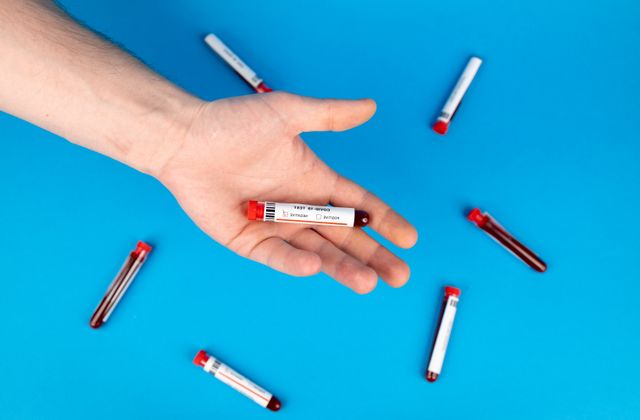
One practical note for home collection, since most of our fasting insulin draws happen at patients' doorsteps: the phlebotomist arrives, finds a vein (the inner elbow, usually, with a quick tourniquet squeeze), and the needle prick itself is a brief sting, less than a second, followed by the odd pressure of the tube filling. A cotton ball taped to the spot, arm kept straight for a minute, and you're done. Fasting draws are the easiest kind. The only hard part is the chai abstinence.
The company this test keeps
Fasting insulin never travels alone, and reading it alongside the right companions is what turns a number into a picture. If your doctor has ordered it, you'll likely see some of these on the same prescription slip.
Fasting blood sugar, the other half of the equation. HOMA-IR literally cannot be calculated without it. If you've ever wondered why a doctor writes both on the same slip, or what the glucose draw itself involves, our guide to the fasting blood sugar test walks through the why and the how.
HbA1c, the three-month average. Where fasting insulin shows today's effort and fasting glucose shows today's score, HbA1c shows the season's average. A normal HbA1c with a high fasting insulin is the signature of early resistance: average sugar held steady by above-average effort. Our HbA1c guide explains the ranges and what moves them.
OGTT, the stress test. The oral glucose tolerance test watches what happens after you drink a measured glucose load: how high sugar climbs and how fast insulin brings it down. It's the most dynamic of the diabetes tests, and our OGTT walkthrough covers the two-hour procedure, the preparation, and how to read the report.
The lipid profile, the quiet informant. Insulin resistance rarely walks alone; it usually brings friends. Triglycerides above 150 and HDL below 40 (men) or 50 (women) are part of the classic pattern, and the triglyceride-to-HDL ratio is one of the oldest rough proxies for resistance. If your lipid profile shows that combination, a fasting insulin check is a natural next question, not a random one.
Liver markers, the feedback loop. As mentioned earlier, a fatty liver and insulin resistance egg each other on. If an ultrasound has ever flagged fat in the liver, the blood tests that track fatty liver pair naturally with an insulin reading: treat the resistance and the liver often improves too.
For patients who want the whole metabolic picture in one booking rather than assembling it test by test, health packages bundle these markers together. You can browse the full set on our packages page; two that fit this topic closely are the Pre-Diabetes and Insulin Resistance Panel - Basic, which wraps the core markers into a 9-parameter screen, and the Diabetes - Insulin Resistance Screening Panel, a broader 11-parameter workup for anyone whose doctor wants the fuller map. Not sure where to start? The full test list lets you compare everything side by side.
When the number says resistance: what actually moves the needle
First, the reassurance, because a HOMA-IR of 3.4 can feel like a verdict. It isn't. It's a risk signal, and early resistance is one of the most reversible findings in medicine. The CDC's line on prediabetes applies here too: lifestyle changes can cut the risk of progressing to type 2 diabetes roughly in half. That figure comes from the landmark Diabetes Prevention Program, where people at high risk who changed how they ate and moved slashed their diabetes risk dramatically, far more than medication alone achieved. The window is widest exactly when the signal is earliest.
Lose a little, not a lot. The research target is modest: 5 to 7 percent of body weight. For a 80-kilo person, that's 4 to 6 kilos. Crash diets aren't required and often backfire; steady, boring consistency wins. Belly fat is the metabolically active kind, so even small losses around the waist move insulin sensitivity more than the scale suggests.
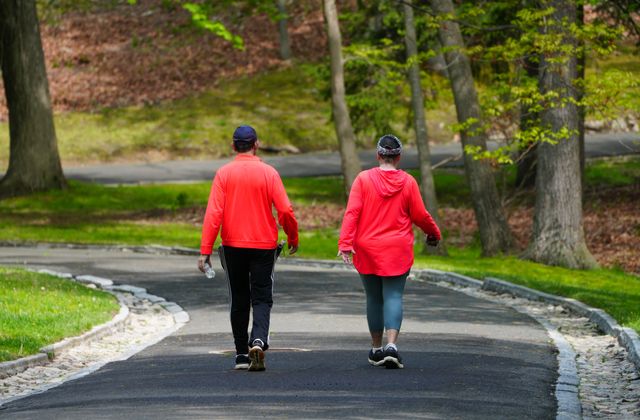
Walk after meals. If there's one habit with an outsized return, it's this: a 10 to 15 minute walk after dinner. Post-meal muscle contractions soak up glucose directly, no insulin required, which takes load off the pancreas at exactly the moment of peak demand. In Mumbai terms: finish dinner, then do two slow rounds of the building compound instead of sinking into the sofa. Patients tell us this is the one change that actually stuck, because it needs no equipment, no gym, and no extra hour in the day.
Build some muscle. Muscle is the body's largest glucose sink, and strength training twice a week, bodyweight squats, resistance bands, whatever you'll actually repeat, improves insulin sensitivity independent of weight loss. You don't need to become a gym person. You need your muscles to ask for glucose more often.
Guard your sleep. Short, broken sleep raises cortisol and growth hormone patterns that blunt insulin sensitivity the next day. Seven to eight hours, consistent timings, phone out of the bedroom: unglamorous, effective. Shift workers and new parents have the deck stacked here, which is worth knowing rather than feeling guilty about.
Rethink the liquid calories. Sugary beverages, sweetened chai through the day, packaged fruit juices: these spike glucose fast and ask for big insulin answers. You don't have to give up chai. You have to stop mainlining sugar in it all day. Whole fruit beats juice; water beats soda; and the post-lunch cold coffee with three sugars is doing more metabolic damage than the vada pav ever did.
Loop your doctor in. A high reading deserves a conversation, not a panic and not a shrug. Your doctor may suggest repeating the test in a few months to confirm the trend, checking companion markers, or discussing next steps that fit your history. What you shouldn't do is start any medicine on the basis of a lab number you read about online. Insulin resistance is managed, not self-treated.
And one honest caveat: not all resistance melts away with lifestyle. Genetics, age, and long-standing obesity set the floor. But even when the number doesn't fully normalise, the same habits slow the slide dramatically. The goal was never a perfect HOMA-IR. It's keeping your pancreas from losing a fight it was winning.
Questions patients actually ask
What is a normal fasting insulin level? Most labs print a reference range around 2.6 to 24.9 µIU/mL, and anything inside that band is technically normal. But many clinicians read shades within the range: a value in the low teens with an otherwise clean profile is usually just watched, while the same value with belly fat, high triglycerides or a diabetic parent gets taken more seriously. Always read your number against your own lab's printed range, because assays differ between labs.
Is HOMA-IR a diabetes test? No. Diabetes and prediabetes are diagnosed on glucose and HbA1c: fasting glucose 100 to 125, OGTT 140 to 199, or HbA1c 5.7 to 6.4 percent for prediabetes. HOMA-IR is an index of insulin resistance, a risk marker and a context tool. A high HOMA-IR with normal glucose means resistance without diabetes, which is exactly the stage where intervention works best.
Can HOMA-IR be high even when my blood sugar is completely normal? Yes, and that is the entire point of the test. High insulin with normal glucose is the classic compensation signature: your pancreas is working overtime and still holding the line. This pattern can persist for years before glucose moves, which is why the test is valuable rather than redundant.
Do I really need to fast for a fasting insulin test? Yes, 8 to 12 hours, overnight, water only. Insulin is exquisitely sensitive to recent food, and even a small sweetened tea or biscuit will corrupt the result. If you ate, tell the lab and reschedule rather than submitting a number nobody can interpret.
Why isn't fasting insulin part of every annual health checkup? Three reasons: guidelines diagnose diabetes on glucose and HbA1c, insulin assays aren't standardised across manufacturers so universal cutoffs are hard to set, and for people with no risk factors glucose-based screening is sufficient. Doctors order it when there's a reason to look earlier or deeper. It's a targeted tool, and that's a feature, not a flaw.
Can stress, illness or medicines change my result? Yes. Acute illness, fever, poor sleep, severe stress and some prescription medicines can all push insulin up or down temporarily. That's why the test should be done when you're well and rested, and why your doctor wants to know what medicines you take. A number captured at the wrong time misleads everyone.
Is insulin resistance reversible? In its early stages, often yes. The Diabetes Prevention Program showed that structured lifestyle change cut progression to diabetes dramatically in high-risk people, and the CDC notes lifestyle changes can halve type 2 risk. Weight loss around the middle, post-meal walks, strength training and better sleep are the levers with the best evidence. The earlier the catch, the better the odds.
Does high fasting insulin mean I will definitely get diabetes? No. It means your risk is higher and your pancreas is working harder than it should. Plenty of people with elevated fasting insulin never develop diabetes, especially if they act on the signal. Think of it as an early warning, not a prophecy.
Can lean people be insulin resistant? Absolutely. This is especially relevant in India, where people develop resistance at lower body weights than Western populations. The "thin outside, fat inside" pattern: normal BMI, but fat deposited around the organs and a waistline creeping past 90 cm in men or 80 cm in women. If diabetes runs in your family, don't let a normal weight reassure you completely.
How often should I repeat the test? That depends on what the first result showed and what your doctor advises. A normal result with ongoing risk factors might be rechecked yearly alongside your regular screening. A borderline or high result is usually repeated in a few months, after lifestyle changes or further evaluation, because the trend across tests matters far more than any single number.
The short version
If you take nothing else from this guide, take these seven points.
- Insulin resistance precedes diabetes by years. Normal blood sugar is good news, but it isn't the whole story.
- Fasting insulin measures the effort; glucose measures the outcome. You need both to see the full picture.
- HOMA-IR is simple arithmetic: (fasting insulin × fasting glucose) ÷ 405. Roughly speaking, under 2 is comfortable, over 3 deserves attention, and there is no single universal cutoff.
- Ranges vary by laboratory and by assay. Never compare your number with someone else's from a different lab.
- The test needs a true 8 to 12 hour fast. One sweetened cutting chai resets the clock.
- Early resistance is often reversible: modest weight loss, walks after meals, muscle-building, and real sleep move the needle more than anything exotic.
- India's diabetes burden is large and largely silent: roughly 1 in 7 adults diabetic, 1 in 6 prediabetic, and more than half undiagnosed. If the risk factors describe you, a fasting insulin check is a cheap way to find out which stage you're standing in.
Our lab in Malad runs fasting insulin and HOMA-IR from a single morning sample, at home or at the centre, and the lab stays open 24x7. Reports are usually ready in about 24 hours. If your doctor has written the test, or if this article has you wondering, bookings are on 84250 40353, with free home collection across Malad, Kandivali, Borivali and Goregaon.
References
- Mayo Clinic: "What is insulin resistance? A Mayo Clinic expert explains"
- Mayo Clinic Laboratories: Test Catalog, "Insulin, Serum" (reference values)
- U.S. Centers for Disease Control and Prevention: "Prediabetes: Your Chance to Prevent Type 2 Diabetes"
- ICMR-INDIAB national study, The Lancet Diabetes and Endocrinology (2023), via Press Information Bureau, Government of India
- American Diabetes Association: Standards of Care, prediabetes diagnostic criteria
Book these tests at home
Live prices · free home sample collection in Malad, Kandivali, Borivali & Goregaon
Insulin Fasting
- Report in 24 hrs
- Free home collection
HOMA - IR (Using Insulin)
- Report in 48 hrs
- Free home collection
Lipid Profile
- Report in 48 hrs
- Free home collection
More tests related to this topic
Other Diabetes tests you can book with free home sample collection.
Fasting Blood Sugar (FBS)
- Report in 12 hrs
- Free home collection
HbA1c (Glycated Haemoglobin)
- Report in 12 hrs
- Free home collection
Anti Chlamydia trachomatis Antibody Igg
- Report in 24 hrs
- Free home collection
Anti Chlamydia trachomatis Antibody Igm
- Report in 24 hrs
- Free home collection
Chlamydia Trachomatis DNA Detection by RT - PCR, Urine
- Report in 48 hrs
- Free home collection
Chlamydia Trachomatis IgA Antibody by ELISA
- Report in 24 hrs
- Free home collection
Fasting Insulin
- Report in 24 hrs
- Free home collection
FLOW FOR LYMPHOMA/ CLPD / LYMPHOMA MRD
- Report in 24 hrs
- Free home collection
Fructosamine
- Report in 24 hrs
- Free home collection
G6PD (Glucose - 6 - Phosphate Dehydrogenase) EDTA Whole Blood
- Report in 12 hrs
- Free home collection
GAD 65 Antibody by IFA (for Paraneoplastic syndrome)
- Report in 24 hrs
- Free home collection
GAD Total Antibody
- Report in 24 hrs
- Free home collection
Get more from the same visit
Health packages that already include these tests, and tests people usually add.
Frequently asked questions
What is a normal fasting insulin level?
Most labs print a reference range around 2.6 to 24.9 uIU/mL. Many clinicians also read shades within the range, paying closer attention to values in the low teens when risk factors are present. Always read your number against your own lab's printed range, since assays differ between labs.
Is HOMA-IR a diabetes test?
No. Diabetes and prediabetes are diagnosed on glucose and HbA1c. HOMA-IR is an index of insulin resistance, a risk marker and context tool. A high HOMA-IR with normal glucose means resistance without diabetes, which is exactly the stage where intervention works best.
Can HOMA-IR be high even when my blood sugar is completely normal?
Yes, and that is the entire point of the test. High insulin with normal glucose is the classic compensation signature: your pancreas is working overtime and still holding the line. This pattern can persist for years before glucose moves.
Do I really need to fast for a fasting insulin test?
Yes, 8 to 12 hours overnight, water only. Insulin is extremely sensitive to recent food, and even a small sweetened tea or biscuit will corrupt the result. If you ate, tell the lab and reschedule.
Why isn't fasting insulin part of every annual health checkup?
Guidelines diagnose diabetes on glucose and HbA1c, insulin assays are not standardised across manufacturers, and for people with no risk factors glucose-based screening is enough. Doctors order it when there is a reason to look earlier or deeper.
Can stress, illness or medicines change my result?
Yes. Acute illness, fever, poor sleep, severe stress and some prescription medicines can push insulin up or down temporarily. Get tested when you are well and rested, and tell your doctor what medicines you take.
Is insulin resistance reversible?
In its early stages, often yes. The Diabetes Prevention Program showed structured lifestyle change cut progression to diabetes dramatically in high-risk people. Modest weight loss, post-meal walks, strength training and better sleep are the levers with the best evidence.
Does high fasting insulin mean I will definitely get diabetes?
No. It means your risk is higher and your pancreas is working harder than it should. Plenty of people with elevated fasting insulin never develop diabetes, especially if they act on the signal. It is an early warning, not a prophecy.
Can lean people be insulin resistant?
Absolutely. This is especially relevant in India, where people develop resistance at lower body weights. The thin-outside-fat-inside pattern, with fat around the organs and a creeping waistline, is common. A normal weight should not fully reassure you if diabetes runs in the family.
How often should I repeat the test?
It depends on the first result and your doctor's advice. A normal result with ongoing risk factors might be rechecked yearly. A borderline or high result is usually repeated in a few months, because the trend across tests matters far more than any single number.
HWP Diagnostic Editorial Team
Health guides written by the team at HWP Diagnostic, Mumbai, to help you understand your tests before you book. This article is for general education and is not a substitute for medical advice - reference ranges vary between labs, so always discuss your results with your doctor. Read our editorial policy. Photos: Pexels.